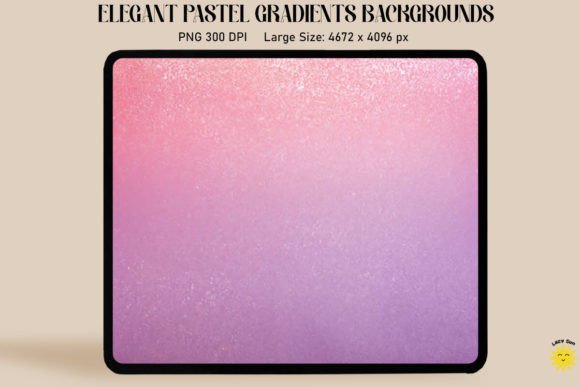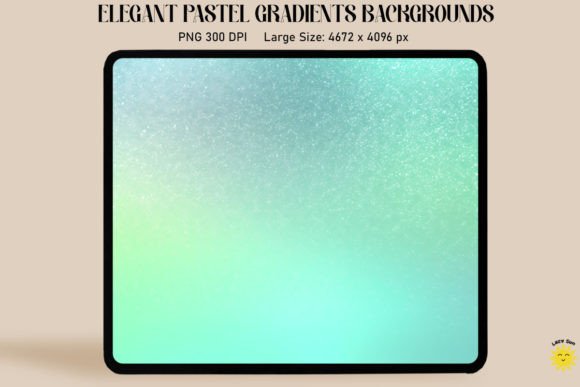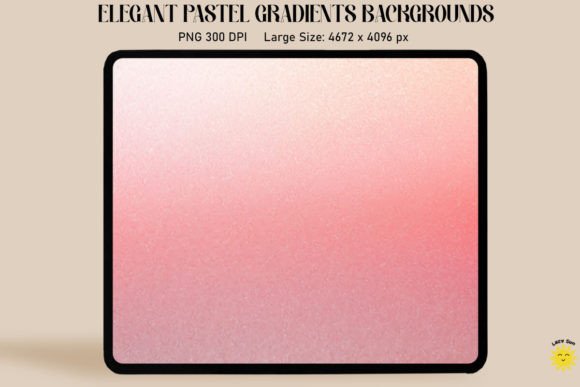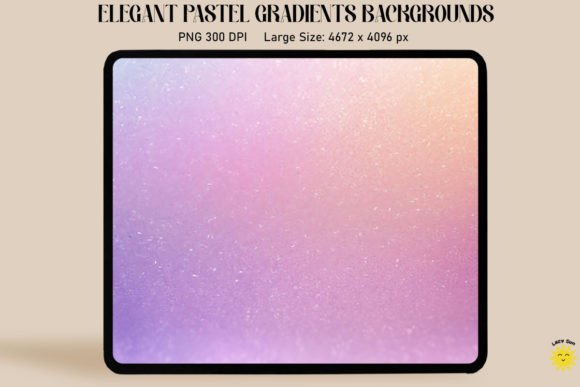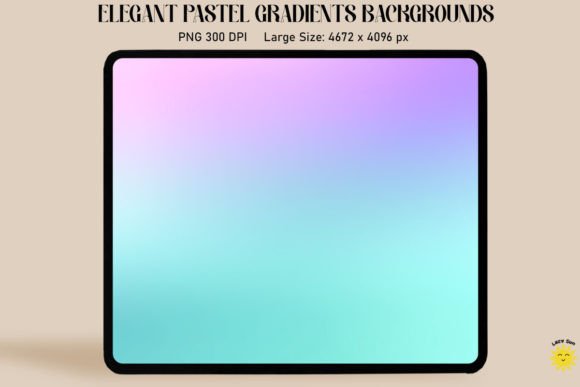
Blue Purple Pastel Gradient Backgrounds
In the crowded landscape of digital design, finding assets that balance trendiness with timelessness is a constant challenge. Enter the Blue Purple Pastel Gradient Backgrounds, a versatile design asset that captures the essence of modern aesthetics while maintaining a soft, approachable feel. This collection isn't just a set of colors; it is a strategic tool for creators looking to inject elegance and calm into their projects. Whether you are a seasoned graphic designer, a small business owner refining your brand identity, or a content creator curating a social media feed, understanding how to leverage these pastel tones can significantly elevate your visual output.
The Visual Language of Pastel Gradients
What makes a blue-purple pastel gradient so effective? It lies in color psychology and visual hierarchy. Blue is universally associated with trust, stability, and professionalism, while purple brings in elements of creativity, luxury, and wisdom. When blended into a pastel gradient, these colors soften into something less corporate and more emotionally resonant. The result is a background that feels airy and spacious, allowing foreground elements—text, logos, or product photography—to stand out without visual competition.
The specific characteristics of these backgrounds are defined by their "soft colors" and "gradient aesthetics." Unlike harsh neons or deep jewel tones, pastel tones reduce eye strain and create a welcoming environment. This is particularly crucial in web design and social media graphics, where user attention spans are short. A soft gradient background helps guide the viewer's eye naturally across the page, creating a seamless flow from one element to the next. It provides depth without clutter, a quality that is essential for modern typography layouts where whitespace is a premium.
Strategic Applications for Branding and Marketing
For entrepreneurs and brand strategists, the choice of background is rarely arbitrary. It is a decision that influences brand perception and audience engagement. The Blue Purple Pastel Gradient Backgrounds are particularly effective for brands positioning themselves as innovative yet approachable. Think of wellness apps, boutique consultancies, or lifestyle brands. Using these elegant pastel gradients in logo design or packaging design signals a modern, clean aesthetic that appeals to a demographic aged 20–50 who value both style and substance.
In the realm of marketing, these backgrounds serve as a canvas for high-quality content. Because the file size is substantial (4672 x 4096 px at 300 DPI), these assets are ready for large-scale print design projects. Imagine a trade show banner or a series of event invitations. The high resolution ensures that the gradients remain smooth and free of banding, maintaining a professional standard even on massive prints. For digital marketers, the aspect ratio is generous enough to be cropped for various formats, from Instagram stories to LinkedIn headers, ensuring visual consistency across all platforms.
Practical Integration and Design Pairings
One of the most common questions regarding gradient backgrounds is how to handle typography. A busy background can ruin readability, but a pastel gradient solves this by offering a low-contrast canvas. This allows for the use of display fonts and serif fonts in darker shades (such as deep navy, charcoal, or even a rich plum) to create a striking visual hierarchy.
When selecting a premium font to pair with these backgrounds, consider the mood you wish to convey:
- For a clean, corporate look: Pair the gradient with a geometric sans serif font. The clean lines of the typeface will contrast beautifully with the organic flow of the gradient, reinforcing professionalism and clarity.
- For a romantic or boutique vibe: Use a script font or handwritten font in a dark slate color. This combination works exceptionally well for wedding invitations, greeting cards, or lifestyle blogs, adding a touch of personal intimacy.
- For editorial and publishing: Combine the gradient with a classic serif font for body text and a bold modern typography style for headlines. This approach is ideal for editorial design, such as magazine layouts or digital lookbooks, where readability and elegance are paramount.
It is also worth noting the flexibility of the asset. Since the files are PNGs, they can be easily imported into any design software, from Adobe Photoshop to Canva. They function perfectly as a base layer for graphic design projects. For instance, you can overlay semi-transparent geometric shapes or line art to create complex compositions without starting from scratch. This makes them a valuable addition to any designer's toolkit for craft projects, scrapbooking, or creating unique web backgrounds.
Technical Specifications and Usage Tips
Before incorporating these assets into your workflow, it is important to understand the technical specifications provided. The files are delivered as high-resolution 300 DPI PNGs. This resolution is critical for print design, ensuring that colors remain vibrant and edges stay sharp. However, because the design is "large," it can be resized down for web use without losing quality, though you should be mindful of file size optimization for faster page load times.
A few practical considerations for implementation:
- Color Calibration: As noted in the product details, colors may vary between devices and printers. When using these backgrounds for commercial branding, always run a test print or view the design on multiple screens to ensure the pastel tones appear as intended. The difference between a cool lavender and a warm lilac can be subtle but impactful.
- File Management: The assets are delivered in a .ZIP file. Ensure you have the capability to unzip files on your PC or Mac to retrieve the high-res PNGs. Once extracted, organize them in a dedicated "Design Assets" folder for easy access.
- Layering Techniques: Because these are flat raster images (not SVGs), they are best used as background layers. If you need to cut shapes out of the gradient, you will need to use clipping masks in your design software. This makes them ideal for social media banners or website hero images where the gradient fills the entire space behind text blocks.
Ultimately, the Blue Purple Pastel Gradient Backgrounds