Blue Green Pastel Gradient Backgrounds: A Designer's Guide
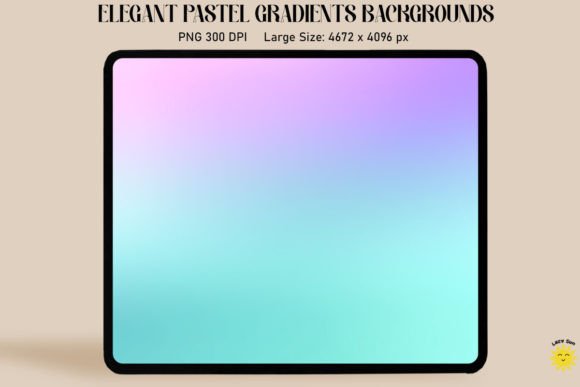
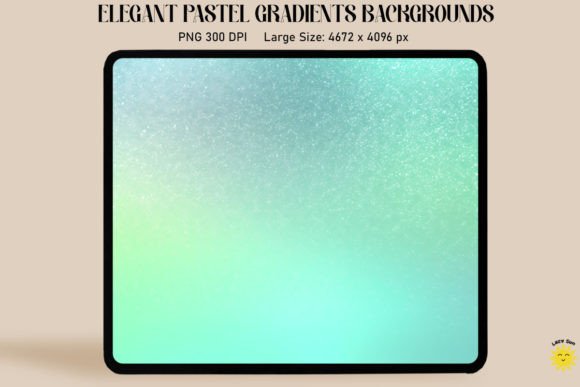
There's a particular kind of calm that settles over a design when the background isn't shouting for attention. It's the visual equivalent of a deep breath—a foundation that supports the content without competing with it. This is the space where Blue Green Pastel Gradient Backgrounds excel. They offer a sophisticated, serene canvas that feels both contemporary and timeless. Think of the soft transition from a misty seafoam to a gentle sky blue, or the subtle blend of mint and aqua. These aren't jarring neon gradients; they're muted, airy, and inherently elegant. The personality of these backgrounds is one of quiet confidence, professionalism, and modern aesthetics. They evoke feelings of tranquility, clarity, and approachability, making them a powerful tool in a designer's arsenal.
The Visual Character and Practical Appeal
What exactly defines the look of a quality Blue Green Pastel Gradient Background? It's more than just two colors fading into each other. The best examples, like the set from Lazysun, focus on the soft colors and pastel tones that define the gradient aesthetics. The transitions are smooth, avoiding harsh lines, and the color palette stays within a cohesive, harmonious range. The result is a pastel background that feels organic and fluid, not digital or artificial. This style works because it aligns with current modern typography and design trends that favor subtlety over saturation. It provides visual interest and depth without the visual noise of a complex pattern or a stark, solid color.
The true value lies in its versatility. These backgrounds act as a chameleon, adapting to the needs of the project. For a brand identity, they can establish a core visual language that feels fresh and trustworthy. In web design, they create an immersive, pleasant user experience that reduces visual fatigue. As part of social media graphics, they ensure posts look cohesive and professional in a fast-scrolling feed. The included PNG files, with their high resolution of 4672 x 4096 pixels at 300 DPI, are a practical starting point. This size is ideal for large-format print projects like posters or banners, yet it can be easily resized down for digital use without losing the crisp, clean quality of the gradient.
Strategic Applications Across Creative Projects
Understanding where to deploy these gradient backgrounds is key to leveraging their full potential. Their application spans nearly every creative field. For graphic design projects, they serve as the perfect backdrop for minimalist layouts, allowing typography and key graphics to pop. In editorial design, such as magazine layouts or report covers, they add a layer of sophistication that elevates the entire piece. The serene quality is particularly effective for industries like wellness, beauty, finance, and technology, where a sense of calm innovation or clean professionalism is desired.
Consider their role in packaging design. A product box or label using a subtle blue-green pastel gradient immediately communicates a sense of premium, gentle quality—think skincare, artisanal goods, or boutique stationery. For entrepreneurs and small business owners, these backgrounds are a godsend for creating consistent marketing materials. They can be used across invitations, cards, banners, and digital ads to build a recognizable visual hierarchy and reinforce brand recognition without needing a complex design system. The consistency of using the same gradient style across touchpoints fosters audience engagement and builds a professional, cohesive brand perception.
Integrating Gradients with Typography and Content
A beautiful background is only effective if it works in harmony with the foreground elements, especially typography. This is where strategic thinking comes into play. The soft, low-contrast nature of pastel gradients means that text must be chosen carefully to maintain readability. A bold, clean sans serif font often works best, as its strong letterforms provide a clear counterpoint to the soft background. Alternatively, a crisp serif font can add a touch of classic elegance. The goal is to ensure a sufficient contrast ratio for legibility, particularly for body text. Testing your chosen typeface directly on the gradient is a non-negotiable step.
The gradient can also influence your entire font pairing strategy. A serene background might pair well with a more expressive script font for headlines, creating a beautiful balance between the calm canvas and the dynamic typography. For logo design, the gradient can be used subtly within the logo mark itself or as a background element in brand materials, tying everything together. When using these assets for craft projects or scrapbooking, the high-resolution file ensures that printed elements like photo mats or journaling cards look sharp and professional. Remember, these are design assets meant to be adapted. The file can be cropped, resized, or even used as a texture overlay to add a hint of color to other images. Always unzip the downloaded file first, and be mindful that screen and printer colors may vary slightly—a common consideration with any digital design asset.