Elevate Your Projects with 12 Luxury Gold Backgrounds
There’s a certain feeling that comes with gold. It’s more than just a color; it’s an atmosphere. It suggests quality, warmth, and a touch of the extraordinary. In design, achieving that feeling often comes down to the details, and a powerful detail is a stunning background. The 12 Luxury Gold Backgrounds collection is built for this exact purpose. It’s a toolkit for adding instant sophistication and depth to your work, giving your designs that polished, professional finish that truly captivates an audience.
Understanding the Visual Character and Appeal
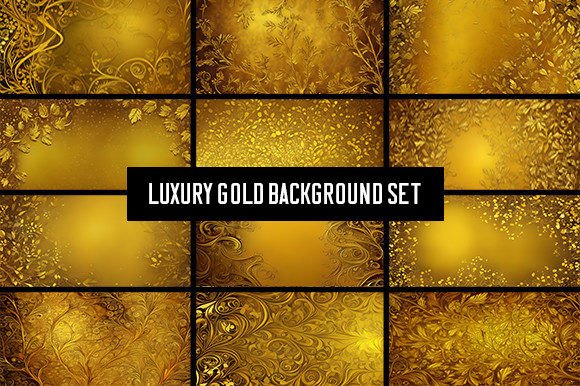
This isn't a single, uniform gold. The collection offers a curated set of twelve distinct textures and patterns, each with its own personality. You’ll find everything from soft, brushed metallic surfaces with a gentle, matte sheen to bold, geometric patterns with high-contrast reflections. Some backgrounds feature intricate damask or art deco motifs, perfect for a vintage or classic luxury feel. Others are more abstract, with flowing liquid gold effects or subtle, granular textures that add a contemporary edge.
The common thread is a consistent level of quality and realism. At 6000 x 4000 pixels at 300 DPI, these are high-resolution assets built for serious work. This size ensures they remain crisp and detailed even on large-format prints or when cropped for digital banners. The JPEG format keeps the files manageable without sacrificing the visual fidelity needed for professional projects. The overall appeal lies in their versatility; they provide a foundation of luxury that can be adapted to countless styles, from opulent and ornate to clean and modern.
Practical Applications Across Creative Fields
The true value of a design asset is measured by its utility. These backgrounds are far more than just decorative fills. For graphic designers and entrepreneurs, they become a core part of the brand identity toolkit. Imagine using one as the backdrop for a product launch announcement on social media. The gold immediately signals premium quality, making the product stand out in a crowded feed. For a small business owner creating packaging, a subtle gold texture on a box or label can elevate the entire unboxing experience, reinforcing a high-end brand perception.
Content creators and bloggers will find endless uses. A clean, brushed gold background can serve as a sophisticated base for quote graphics, podcast covers, or YouTube channel art. It provides a consistent, recognizable aesthetic that strengthens visual branding across platforms. For crafters and hobbyists, the applications are just as exciting. These images can be printed for custom wall art, used as backdrops for photography of handmade jewelry or goods, or integrated into digital planners and invitation designs. The commercial license means you can confidently use them in projects for sale, like t-shirt graphics, digital art prints, and sticker sheets.
Consider how a specific background can influence a project's tone. A rich, patterned gold might be perfect for a wedding invitation suite, evoking timeless elegance. A more abstract, textured gold could be the ideal background for a tech startup’s keynote slide, suggesting innovation and value. The key is to match the background’s personality with your project’s message. They work beautifully with a wide range of typography. Pair them with a clean sans serif font for a modern, luxurious look, or with a classic serif font for a more traditional, authoritative feel. A well-chosen script font can add a personal, high-end touch when layered over these backgrounds for logos or special event graphics.
Integrating Gold Backgrounds into Your Design Workflow
Adopting a new set of design assets should feel seamless. Start by evaluating your current projects. Where could a touch of luxury make a difference? Is it your website’s hero image, your newsletter header, or the background of your Instagram Stories? Don’t feel the need to use the most ornate pattern. Often, a simple, textured gold can add just the right amount of depth without overwhelming your primary content.
Testing is crucial. When you bring a new background into a design, step back and assess its impact on readability and visual hierarchy. Your text, whether it’s a headline or body copy, must remain the focal point. You may need to adjust the text color—crisp white or deep black often works best—or add a slight shadow or overlay to ensure it pops. Think about how the background interacts with your other design elements. Does it complement your logo? Does it clash with your product photos? The goal is cohesion, not competition.
From a practical standpoint, organizing these assets in your library will save you time. Create a dedicated folder for "Premium Textures" or "Luxury Backgrounds." When working on a new client project or personal brand refresh, you can quickly browse your options. Remember that these are design assets meant to serve your creative vision. Use them to build consistency in your brand identity, to add professionalism to your editorial design, and to inject personality into your social media graphics. By thoughtfully integrating these twelve versatile backgrounds, you’re not just adding a pretty picture; you’re equipping yourself with a powerful tool to communicate quality, capture attention, and create work that feels truly polished and complete.